
Publié le
De l'emballage à l'assiette : Traçabilité des contaminants tout au long de la chaîne d'approvisionnement alimentaire
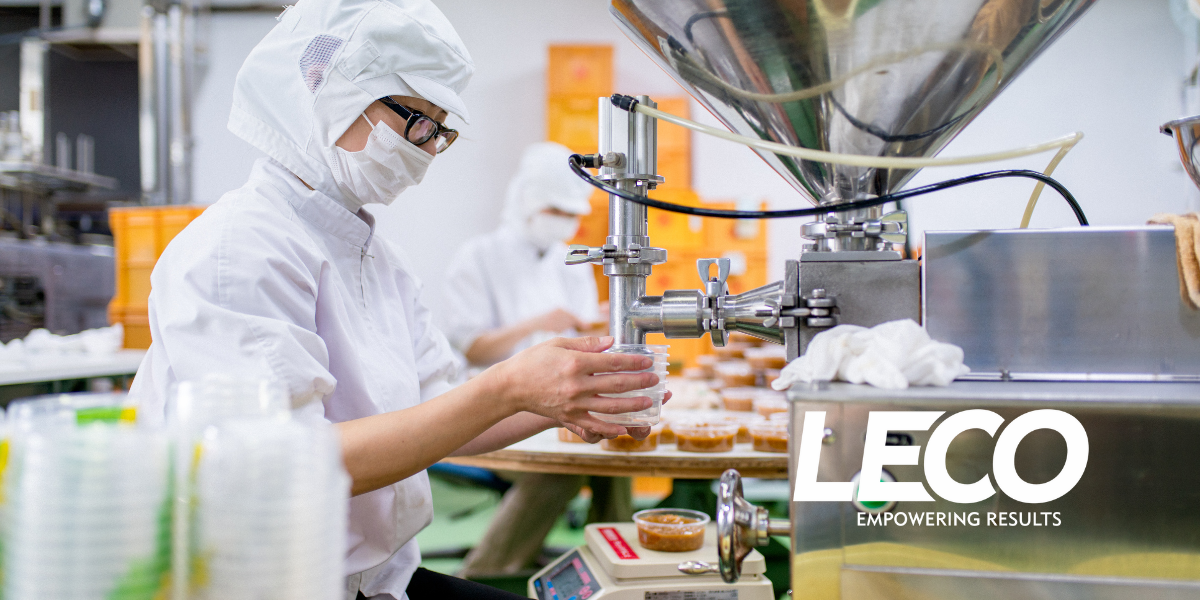
10 years ago, consumers weren’t really thinking about how packaging may be affecting their food. Now, as science continues to reveal how the potential dangers of contaminants in food, food packaging has been placed under a figurative and literal microscope to see how these protective containers may actually be doing more harm than good.
Hidden Hitchhikers
While food packaging is designed to protect the food inside, it can also be a source of contamination.
- Mineral Oil Hydrocarbons (MOH), often separated into Mineral Oil Saturated Hydrocarbons (MOSH) and Mineral Oil Aromatic Hydrocarbons (MOAH), originate from printing inks, lubricants, or recycled cardboard.
- Phthalates, used as plasticizers, can migrate from flexible films into fatty foods.
- NIAS (Non-Intentionally Added Substances) are by-products or unknown compounds that complicate compliance and risk assessment.
Testing for these substances is highly important because they have the potential to accumulate in the human body, raising health concerns and triggering regulatory scrutiny worldwide.
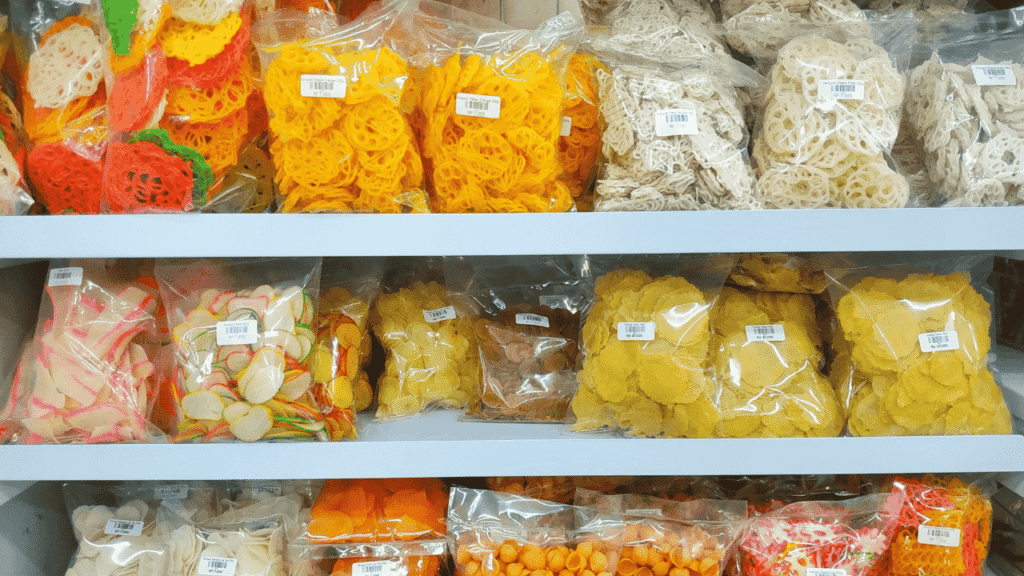
How Does it Happen?
Migration is not random—it’s driven by chemistry and conditions. Temperature spikes during transport, long storage times, and the nature of the food (fatty vs. dry) all influence how contaminants move from packaging into the product.
History offers sobering lessons:
- MOSH/MOAH in breakfast cereals caused a major recall in Europe.
- Phthalates in baby food packaging sparked consumer outrage and regulatory tightening.
Each incident underscores the complexity of controlling contamination across a global supply chain.
The Work Behind the Scenes
Tracing these contaminants is not an easy task. Food matrices are complex, and contaminants often lurk at trace levels or can be hidden by coeluting analytes. Traditional methods of analysis typically fail to reveal the full picture. This is where GCxGC–TOFMS becomes a gamechanger.
- Comprehensive Two-Dimensional Gas Chromatography (GCxGC) separates thousands of compounds with unparalleled resolution.
- Time-of-Flight Mass Spectrometry (TOFMS) adds speed and accuracy, enabling labs to identify known and unknown substances in a single run.
For quality assurance/quality control (QA/QC) labs and packaging suppliers, this technology is not just an “upgrade”, or something that’s “nice to have”—it’s a necessity for compliance and consumer safety.
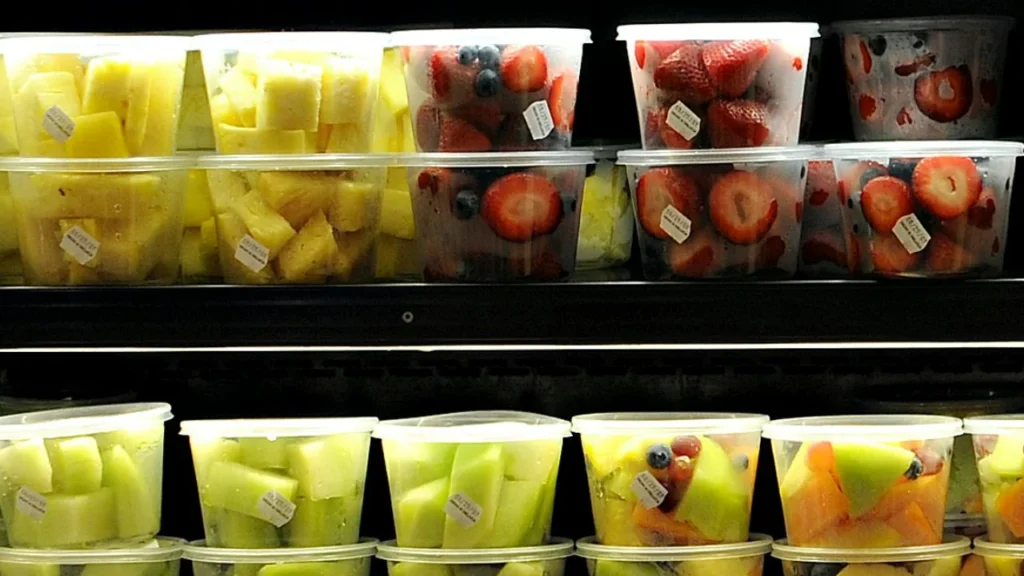
Closing the Loop
Preventing contamination starts long before food reaches the plate. Packaging suppliers must carefully choose their materials, audit their supply chains, and ensure compliance with migration limits.
QA/QC Labs should adopt advanced workflows like GCxGC–TOFMS for routine screening and challenging NIAS identification.
As sustainability trends push for recycled materials, the challenge grows—but so does the need for robust analytical solutions.
The Takeway
From packaging to plate, the journey of contaminants is complex, but traceable. With the right tools and practices, the food industry can protect consumers and earn their trust. For those ready to take contaminant control seriously, forensic-level analysis is the next step.
Are you ready to strengthen your QA/QC strategy? Explore how GCxGC–TOFMS can transform your contaminant tracing workflows.

Analyse hors routine avec LC-GCxGC-TOFMS-FID
Exploring advanced analytical workflows used in modern food-safety testing.
À la demande


 English
 Spanish
 German
 French
 Portuguese