
Use of GCxGC-MS for Comprehensive Characterization of Environmental Samples
Introdução
Environmental samples often contain thousands of organic compounds spanning wide concentration ranges, chemical classes, and sources—making comprehensive characterization one of the most demanding challenges in analytical chemistry. In this on‑demand webinar, Dr. Peter Heglund, Professor at Umeå University and recipient of the John B. Phillips Award for GCxGC, presents advanced strategies for comprehensive environmental mixture analysis using two‑dimensional gas chromatography (GCxGC) coupled with mass spectrometry.
The presentation focuses on how highly orthogonal separations, combined with powerful deconvolution and data‑mining workflows, enable both non‑target screening and targeted investigation of complex environmental matrices. Dr. Heglund illustrates how GCxGC‑MS provides dramatic increases in peak capacity, sensitivity, and chemical context—allowing analysts to move beyond simple lists of detected compounds toward true chemical understanding.
Using real‑world case studies, the webinar explores:
- Non‑target screening of indoor house dust, revealing flame retardants, plasticizers, hydrocarbons, and biogenic compounds
- City dump leachates, highlighting hundreds of poorly characterized polar and semi‑polar contaminants of regulatory concern
- Halogenated compounds in biota, including natural and anthropogenic brominated substances identified via isotope‑pattern‑based screening
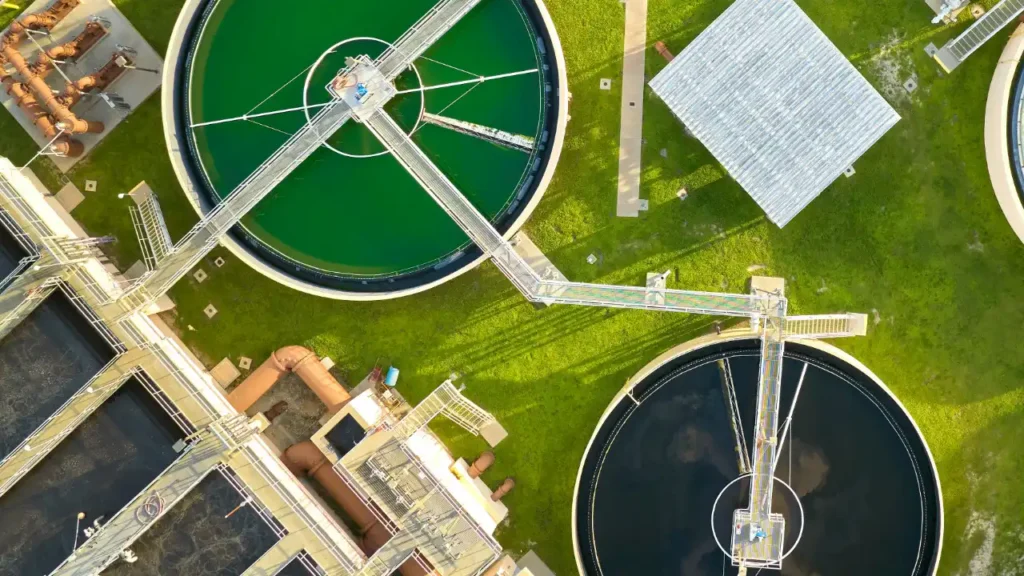
- Sewage treatment plant studies, identifying compounds poorly removed during treatment and linking chemical properties to removal efficiency
The webinar also demonstrates how GCxGC‑MS can be extended beyond broad screening to solve isomeric and enantiomeric separation problems, including full resolution of dioxin‑like PCBs, atropisomeric PCBs, and chiral PCB enantiomers using carefully selected column combinations.
Overall, the session provides both conceptual guidance and practical recommendations for deploying GCxGC‑MS across environmental research, regulatory monitoring, and emerging contaminant discovery.
 English
  Spanish
  Japanese
  German
  French
  Portuguese