

Isoperibol Calorimeters for Gross Calorific Value Analysis
AC Series: Semi-Automated Calorimeters
Precise Gross Calorific Value Determination
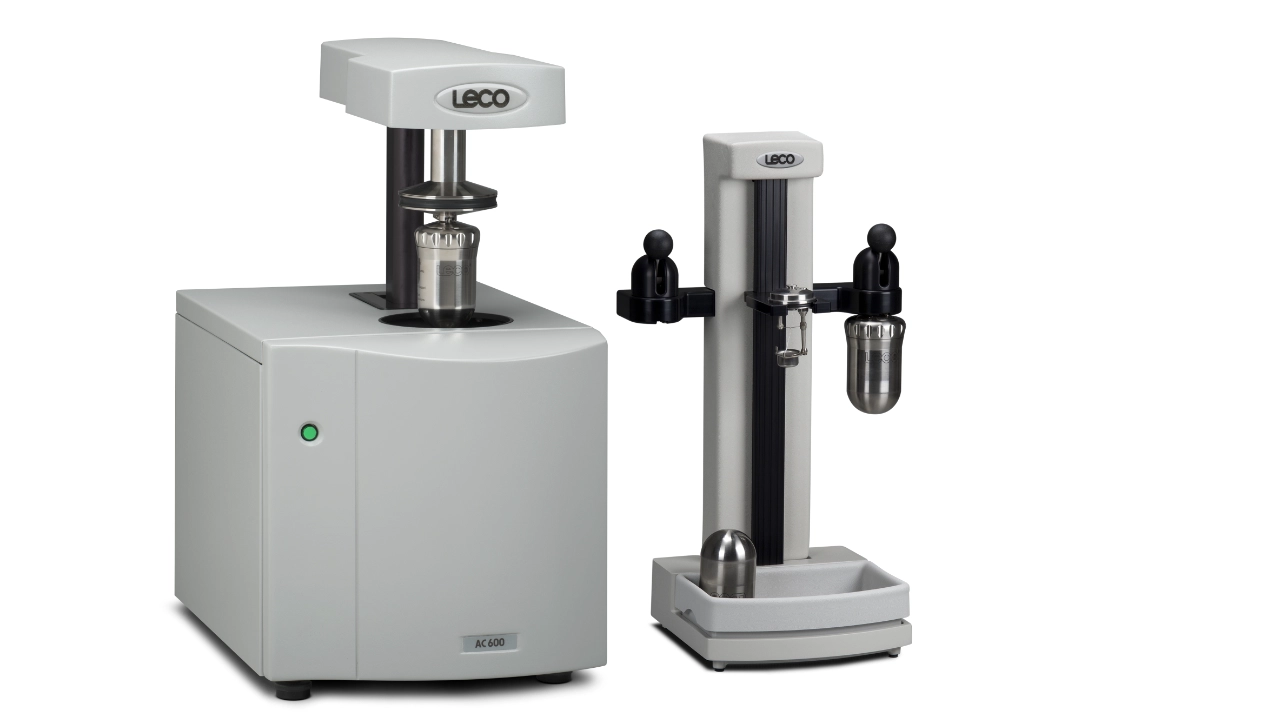
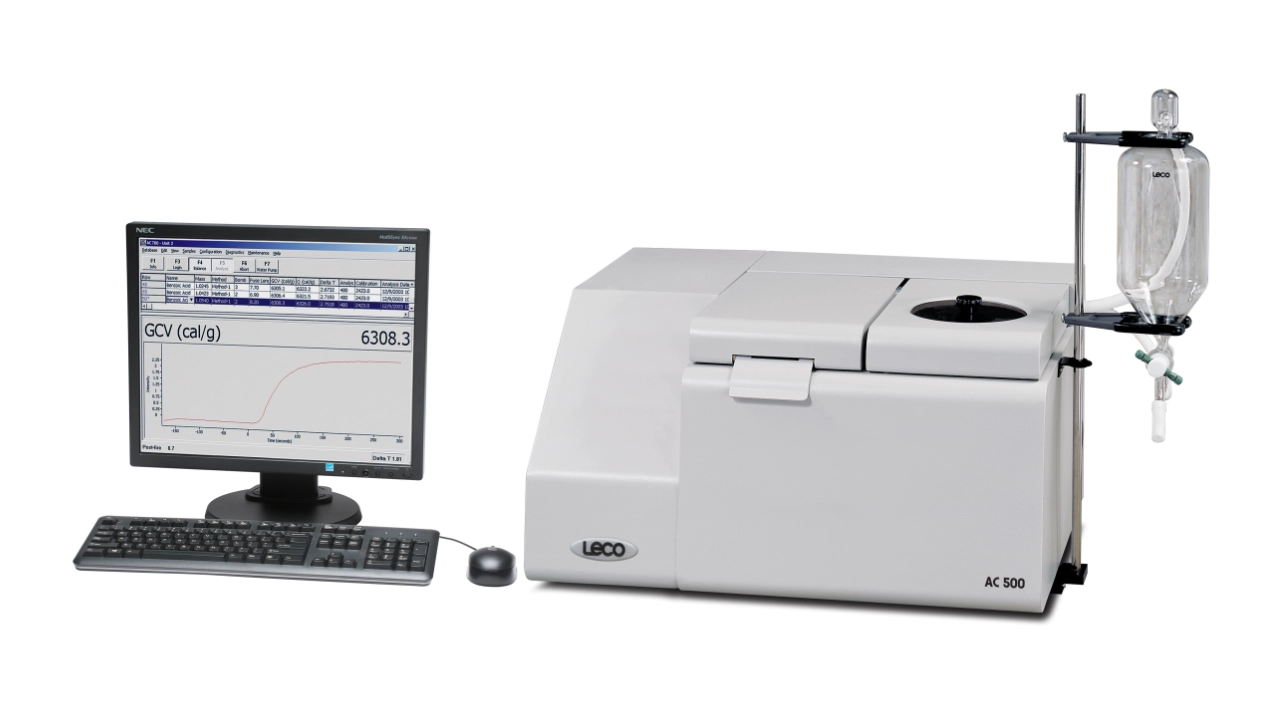
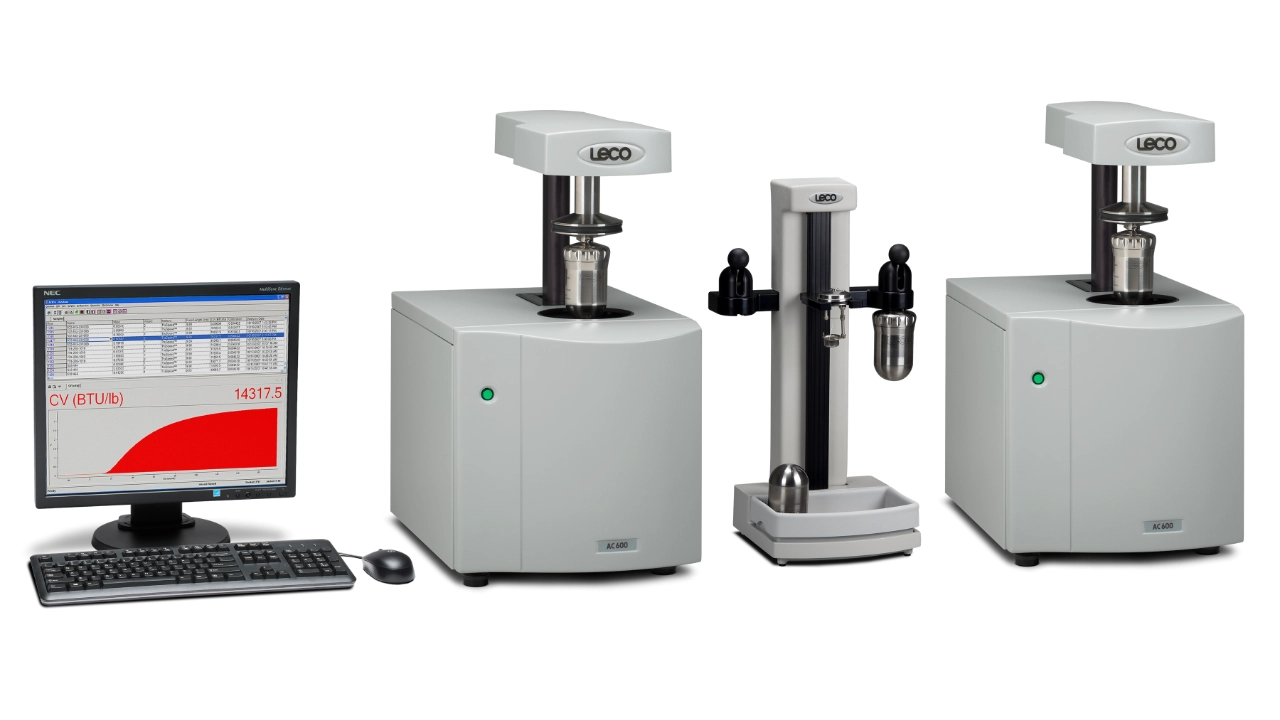
LECO AC Series isoperibol calorimeters deliver accurate and repeatable measurements of the gross calorific value of solid and liquid fuels. By measuring the heat released during tightly controlled isoperibol conditions, the AC500 and AC600 improve calorific analysis with precise control and a purpose-built system design which enhances throughput, efficiency, and data consistency for coal, coke, biomass, and fuel characterization.
Why Choose LECO Calorimeters
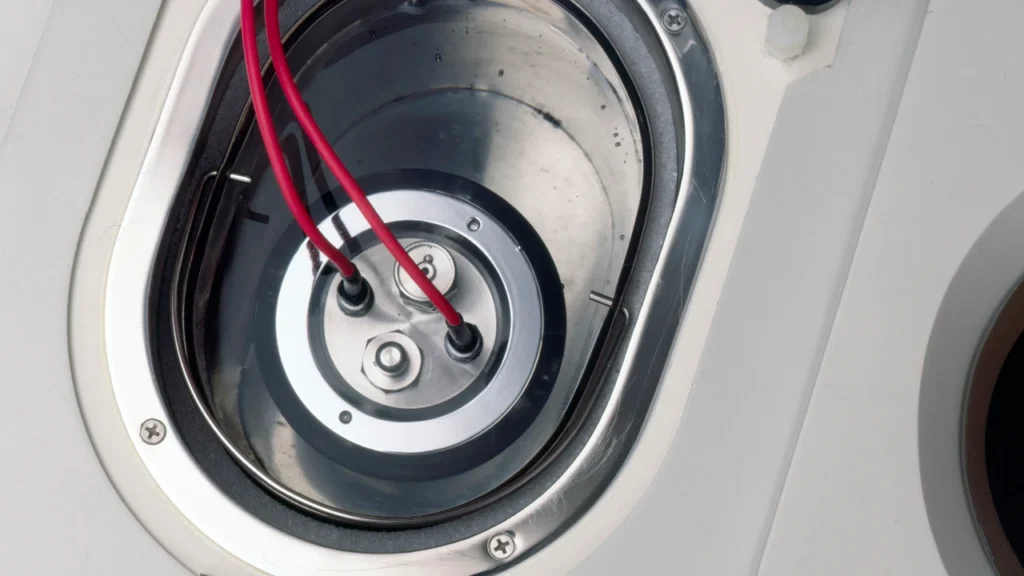
Streamlined Process
The AC Series is designed to simplify calorific value determination through an efficient benchtop footprint and intuitive workflow. Integrated water management, stable temperature control, and guided operational steps reduce manual effort and help laboratories maintain consistent, reliable throughput.
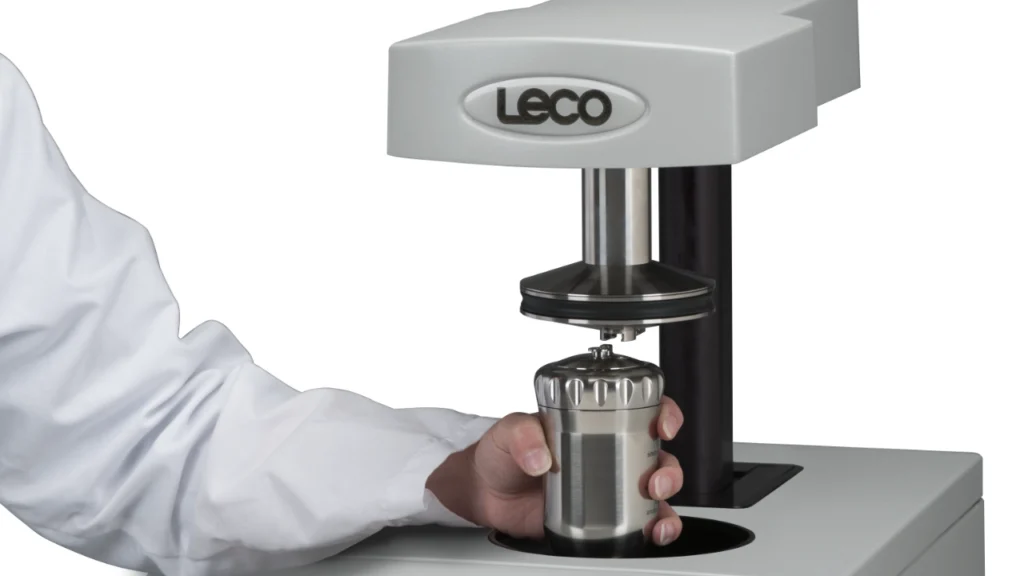
Enhanced Automation & Vessel Handling
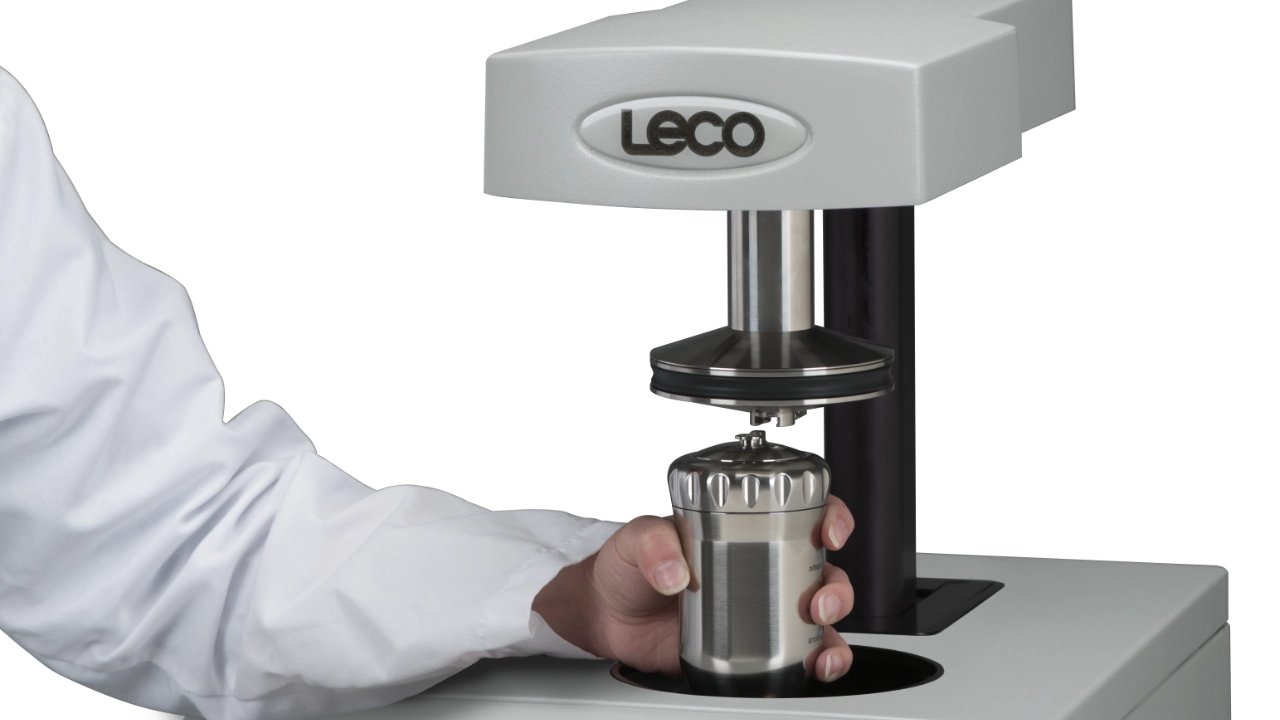
Built‑in automation and modern vessel‑handling design minimizes repetitive tasks and promotes safer, more comfortable operation. From vessel loading to system stabilization, the AC600 reduces operator fatigue and provides smoother day‑to‑day performance which is ideal for busy labs.
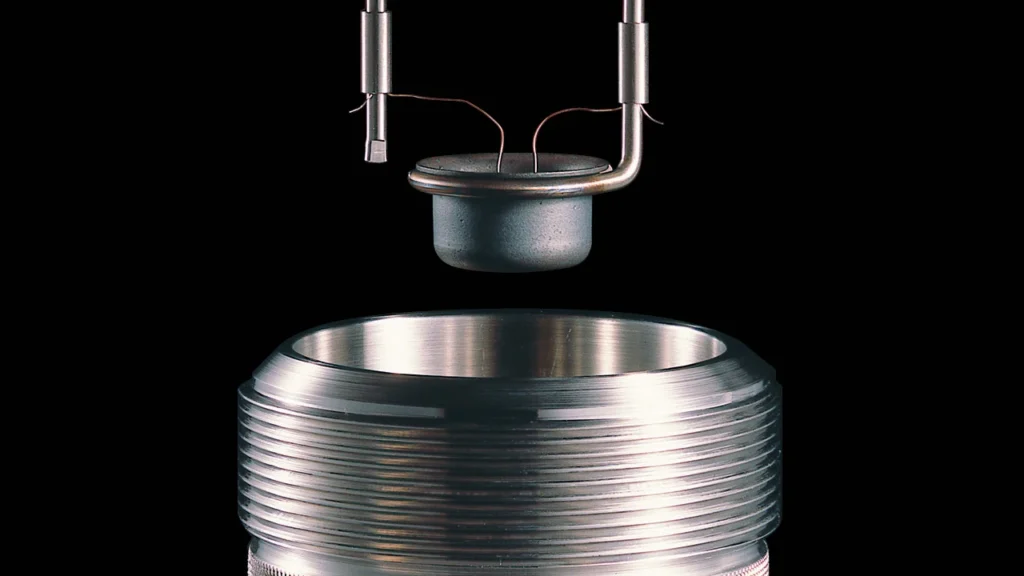
Flexible Analysis Modes
The AC Series supports flexible analytical approaches. The AC500 features legacy modes like Regnault-Pfaundler, Precision, and Predictive modes while the AC600 includes advanced thermodynamic modeling that accelerates data acquisition while maintaining high accuracy. This modeling capability enables rapid, stable calorimetric results even under demanding testing conditions.
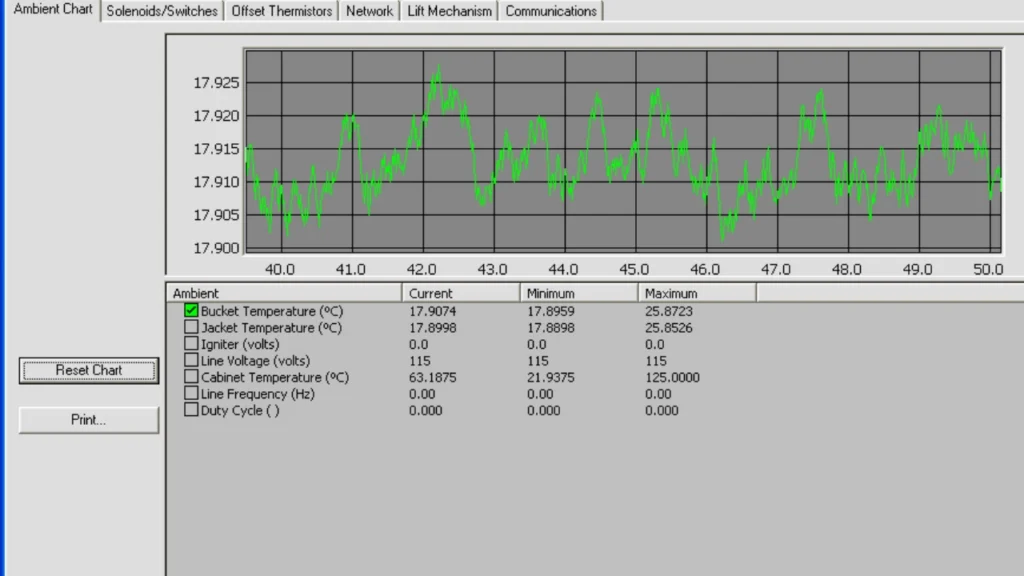
Advanced Software & Data Management
The AC Series features modern, Windows‑based data handling with intuitive control, robust method management, and seamless integration with LIMS environments. Streamlined reporting and flexible connectivity help laboratories maintain traceability and efficiency across multiple instruments.
Instrument Applications
Core Analyses
Application Notes

Gross Calorific Value in Coal
Gross Heat in Fuel Oils and Biomass
Gross Calorific Value in Metallurgical Coke

Gross Heat in Petroleum Coke
What is Isoperibol Calorimetry?
Isoperibol calorimetry determines a sample’s calorific value by measuring the heat released during combustion within a controlled, constant temperature environment. In the AC Series, the sample is placed into a combustion vessel that is charged with oxygen, sealed, and lowered into a water-filled bucket. This bucket sits inside a temperature controlled “jacket,” forming the core of the isoperibol measurement system.
During analysis, the sample is ignited, and high-resolution temperature readings of both the bucket and the jacket are collected. Because the temperature rise of the bucket water is proportional to the energy released by combustion, the instrument can calculate the sample’s gross calorific value. Software options allow for correction for nitrogen, sulfur, moisture, ash, and other sample-specific parameters as needed.
This fundamental process is shared across the AC Series, while each instrument employs its own approach to automation, vessel handling, temperature modeling, and throughput.
How LECO Isoperibol Calorimeters Work
Automated Calorimetry
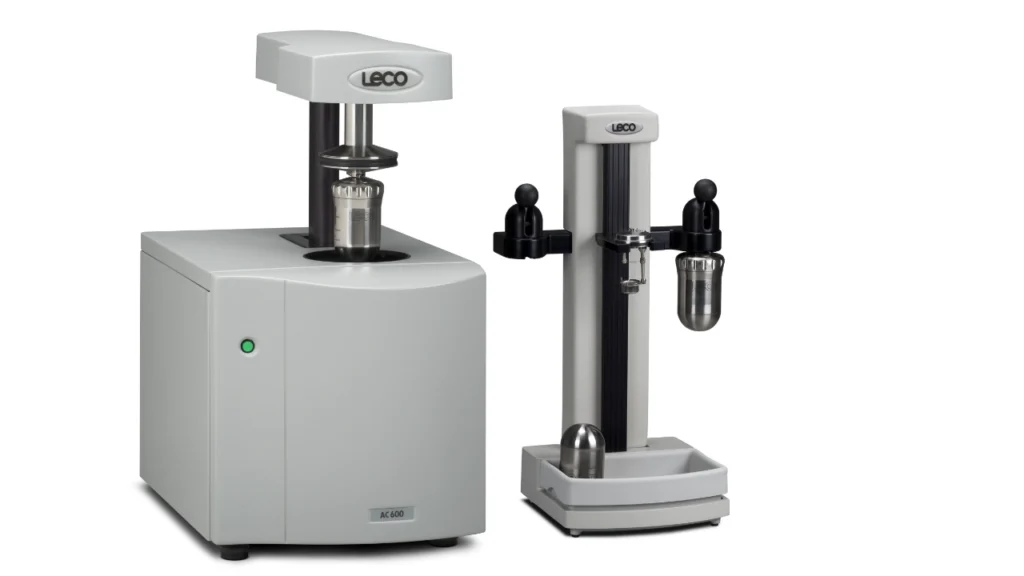
The AC600 expands standard isoperibol calorimetry through increased automation, rapid equilibration, and LECO’s TruSpeed thermodynamic modeling. The ergonomically engineered combustion vessel features a 1.5 turn closure and lightweight construction that simplifies vessel handling and reduces repetitive motion.
After vessel loading, the AC600 automates key steps including bucket refill and sealing, improving consistency and reducing operator workload. Users may choose between two analytical modes:
- Delta T Mode – A straightforward temperature rise measurement similar to classical calorimetry.
- TruSpeed Mode – A real time thermodynamic model that accounts for heat exchange between system components, enabling rapid five-minute analysis cycles while maintaining precision and accuracy.
These features make the AC600 well suited for high throughput operations requiring shorter cycle times, advanced data modeling, and expanded automation.
AC500 Operation
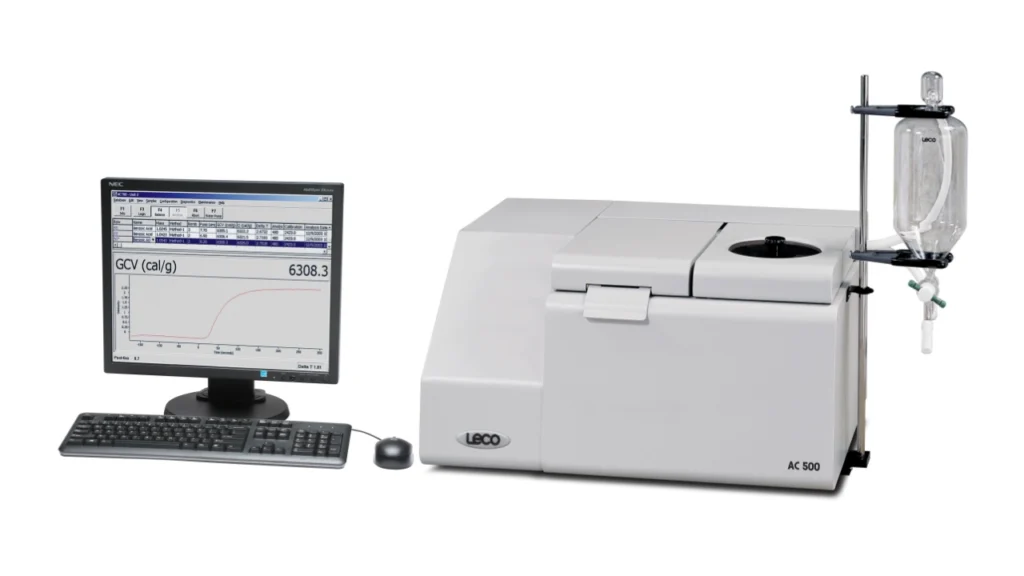
The AC500 utilizes a classical isoperibol calorimetry design optimized for reliability and simplicity in routine analysis. The instrument supports traditional calorimetry modes such as Regnault/Pfaundler as well as predictive and high-precision modes, enabling analysis times from 8 to 20 minutes depending on method choice and lab workflow.
The AC500 uses a standard combustion vessel that is manually assembled, sealed, and loaded by the operator. Once placed in the bucket, the instrument manages water circulation, bucket sealing, temperature stabilization, ignition, and data collection. The AC500’s standalone configuration, with fully integrated water handling, makes it ideal for laboratories requiring accurate calorimetry with a compact footprint and minimal peripheral equipment.
This design provides dependable calorific value determination for low to medium throughput environments while maintaining full compliance with relevant ASTM and ISO methods.
Instrument Details
Features
Models
Model Comparison
Options
Applicable Methods
LECO calorimeters adhere to these approved methods.
- ASTM D240 Heat of Combustion of Liquid Hydrocarbon Fuels by Bomb Calorimeter
- ASTM D4809 Heat of Combustion of Liquid Hydrocarbon Fuels by Bomb Calorimeter (Precision Method)
- ASTM D5865 Gross Calorific Value of Coal and Coke
- ISO 1928 Gross Calorific Value of Coal and Coke
Instrument Support
Ensure reliable instrument performance with extensive support, training, and maintenance services. Need tailored support for your calorimeters? Our experts are standing by.
Events
Webinars, Showcases, Conferences and Tradeshows


 English
  Spanish
  Japanese
  German
  French
  Portuguese