Automation can drastically speed up your entire analysis workflow. However, it isn’t just about speed—it reduces human error, ensures compliance with quality standards, and allows protein labs to process more samples in less time.
by Julie Jasper Kemp | Dec 12, 2025
Automation can drastically speed up your entire analysis workflow. However, it isn’t just about speed—it reduces human error, ensures compliance with quality standards, and allows protein labs to process more samples in less time.
by Tim Newmiller | Nov 25, 2025
For food manufacturers, meat producers, and quality control labs, determining accurate protein levels is an everyday requirement—not just a holiday curiosity. This is where the LECO FP928 proves its value, offering the speed and precision needed for continuous compliance.
by Julie Jasper Kemp | Nov 20, 2025
Check out our chat with Bob Nelson and Chris Reddy from Woods Hole Oceanographic Institution (WHOI) about their work discovering DDT at the Palos Verdes Mass-Transport Dumpsite. Chris and Bob collected samples and used LECO’s Pegasus® GC-HRT+ 4D to uncover what exactly was spilling out of the hundreds of barrels onto the ocean floor.
by Julie Jasper Kemp | Oct 31, 2025
How do mass producers ensure the quality of Halloween candy? By using special instruments like LECO’s Pegasus BTX. See what the BTX found in a batch of candy.
by Julie Jasper Kemp | Oct 15, 2025
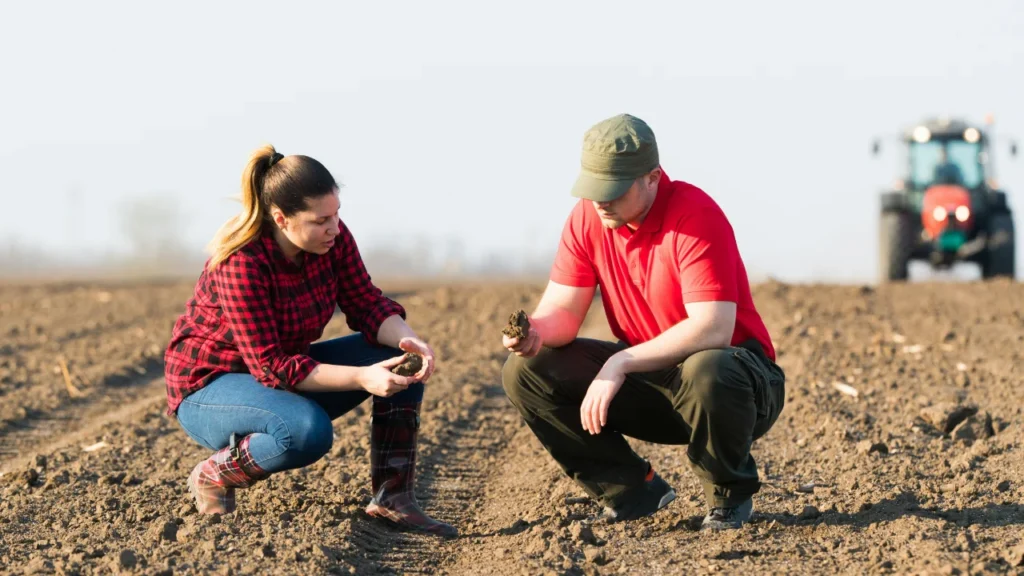
In the pursuit of more sustainable and regenerative agricultural practices, understanding and managing soil health has become a top priority. As farmers and researchers increasingly adopt practices like cover cropping, reduced tillage, and compost...
by Julie Jasper Kemp | Sep 23, 2025
As agriculture practices shift to be more sustainable and regenerative, the focus on soil health is growing. At the heart of this transformation is Total Organic Carbon (TOC), a key indicator of soil vitality, fertility, and its ability to sequester carbon from the atmosphere.

by Julie Jasper Kemp | Sep 16, 2025
Sample treatment is central to accurate environmental analysis, especially for emerging contaminants like microplastics and PFAS. Traditional methods often generate significant waste, prompting innovation in more efficient and environmentally friendly approaches such...