
Published on
Partnering for Cleaner Oceans: Dr. Petr Vozka’s Research at Cal State LA
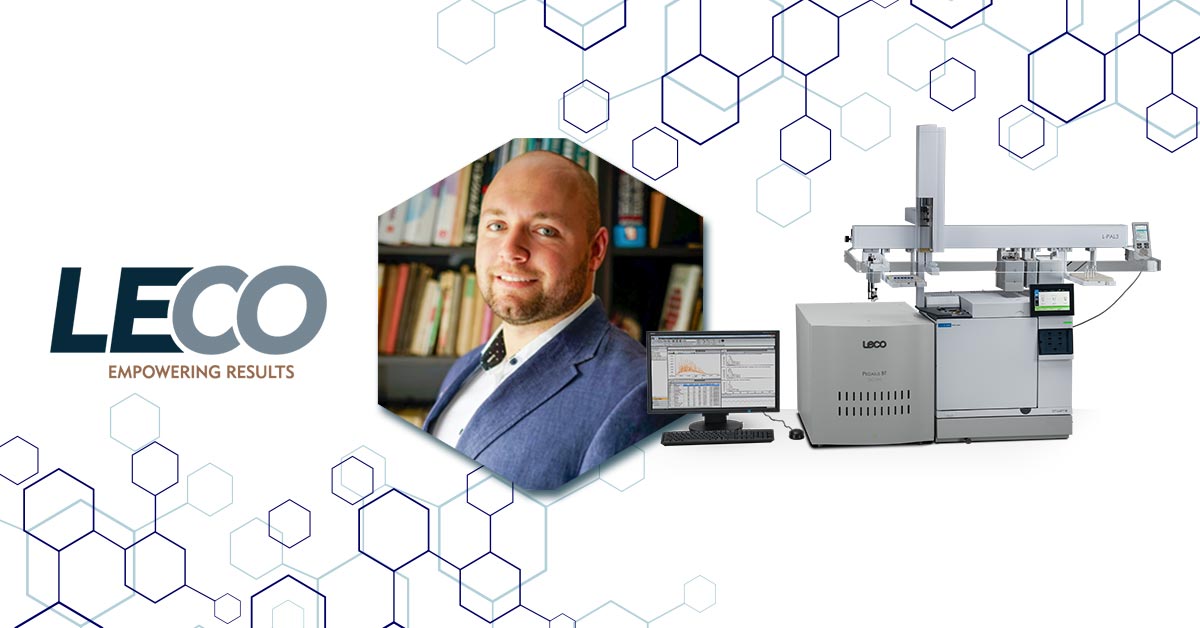
At LECO, we are always looking to collaborate with researchers working on complex, impactful chemistry. One such vital partnership is with Dr. Petr Vozka, Assistant Professor in the Department of Chemistry & Biochemistry at California State University, Los Angeles. By pairing his lab’s innovative environmental research with the analytical capabilities of our Pegasus BT GC-MS, we are proud to support insights that protect public health and coastal ecosystems.
Dr. Vozka’s lab, the uniquely named Complex Chemical Composition Analysis Lab (C3AL), primarily focuses on local environmental concerns. But because the Pacific Ocean counts as “local” for their Southern California campus, their studies have far-reaching global implications.
Tracking the Hidden Footprint of Environmental Contaminants
Following the Huntington Beach oil spill, the C3AL team jumped into action to study the long-term effects of oil on recreational beaches. Their research explores critical public health questions: As the sun warms lingering traces of oil in the sand, do volatile or semi-volatile compounds evaporate and affect beachgoers? How does the natural “washing” action of ocean waves disperse these harmful elements over time? Because coastlines around the world face similar threats, this data is essential for protecting global coastal communities in the years to come.
Beyond petroleum, Dr. Vozka has also focused his research on microplastics—an increasingly urgent global crisis. Microplastics have now been detected everywhere from Antarctic snow to human tissues. Research shows that on average, a person can ingest several grams of microplastics each week through food, water, and air.
Elevating Analytical Capabilities
To properly analyze these complex environmental mixtures, high-resolution analytical tools are required. While the C3AL historically relied on GCxGC-FID, FID alone lacks qualitative identification capabilities.
Integrating Time-of-Flight Mass Spectrometry (TOFMS) via the Pegasus BT into their workflow allows Dr. Vozka’s team to dive much deeper. “Currently, we cannot measure the olefin content,” Dr. Vozka explains. “We do not know what the non-hydrocarbon compounds in our samples are.” Adding MS to their toolkit bridges that gap, allowing them to map out these complex contaminants with absolute confidence.
Empowering the Next Generation of Chemists
Beyond the immediate scientific output, this collaboration provides an essential springboard for students at Cal State LA, where a majority of attendees are the first in their families to go to college.
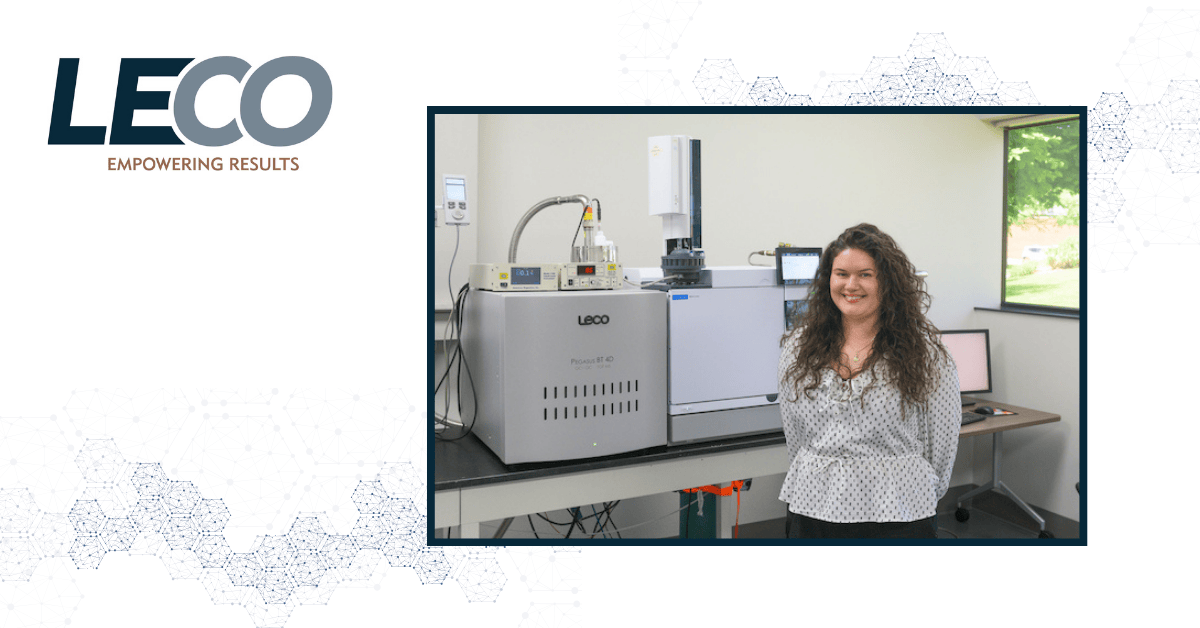
Having advanced instrumentation like the Pegasus BT directly available on campus gives these students invaluable, hands-on experience operating and troubleshooting industry-standard technology. This exposure equips them with highly marketable skills, setting them up for successful future careers across the scientific industry and giving them a distinct advantage when applying for competitive graduate programs.
LECO is incredibly proud to support Dr. Vozka and the C3AL team as they continue their vital work pushing the boundaries of environmental analysis.

 English
  Spanish
  German
  French
  Portuguese