A comprehensive analysis of renewable fuel testing technologies using automation and proximate analysis
The growing demand for renewable energy has increased the importance of accurate biofuel characterization. Biomass feedstocks and finished fuels require accurate characterization to assess quality, optimize production processes, and support reliable performance. LECO analytical instrumentation supports this work through automated and highly reliable analytical technologies.
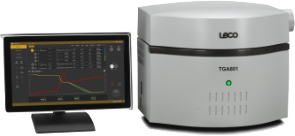
Automated Proximate Analysis with LECO’s TGA801
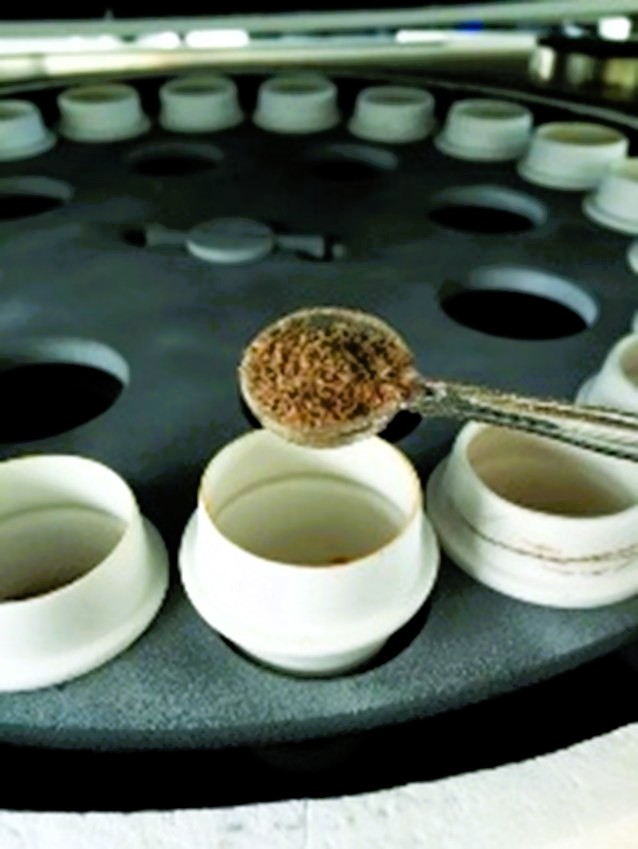
The LECO TGA801 thermogravimetric analyzer is designed for automated determination of moisture, volatile matter, and ash content in solid fuels. The system can analyze up to 19 samples simultaneously and combine all three parameters into one automated run, improving efficiency and reproducibility.
Comparison with ISO Reference Methods
To validate the performance of the automated TGA801 system, comparative studies were conducted using internationally recognized ISO reference methods. Moisture determination was compared with ISO 18134, ash content with ISO 18122, and volatile matter with ISO 18123.
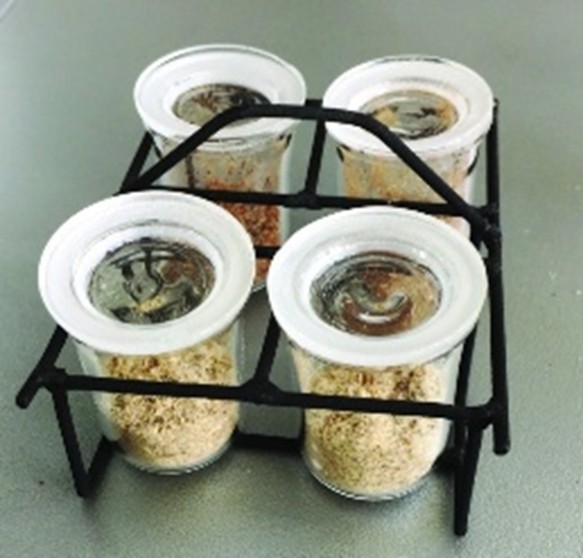
The comparison included a broad range of materials such as wood pellets, peat, coal, plastics, and waste-derived fuels. Moisture and ash results generated by the TGA801 showed extremely close agreement with the manual ISO procedures. This strong correlation confirms that automated thermogravimetric analysis can provide the same reliability as conventional methods while greatly increasing throughput and reducing labor requirements.
Volatile Matter Correlation Results
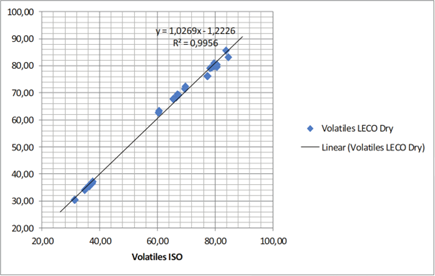
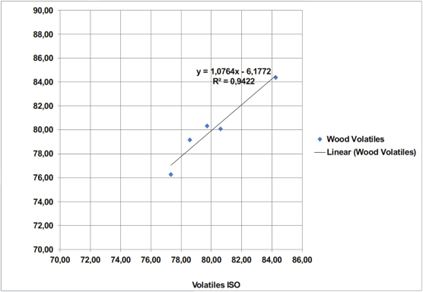
For volatile matter analysis, both ISO and TGA procedures measure mass loss during a fixed period at 900 °C. The TGA method introduces an additional heating ramp from the moisture determination step at approximately 105 °C to the higher volatile matter temperature. Despite this procedural difference, the resulting data demonstrated excellent agreement.
Testing performed on wood pellets showed a strong linear relationship between the ISO and TGA methods with an R² value of approximately 0.94. The maximum deviation observed was only 1.06%, while the average difference between methods was approximately 0.1%. These results confirm the ability of the TGA801 to produce highly accurate volatile matter measurements across a variety of biomass and fuel matrices.
Advantages of Automated Biofuel Analysis
- High sample throughput with simultaneous multi-sample analysis.
- Fully automated workflows reducing operator involvement.
- Integrated determination of moisture, ash, and volatile matter in one run.
- Excellent reproducibility and data consistency.
- Strong agreement with ISO reference methods without additional calibration.
- Improved data security and laboratory efficiency.
- Suitable for research laboratories, industrial quality control.
Automate Your Lab Today
LECO analytical instrumentation provides a comprehensive solution for modern biofuel characterization. From calorific value determination and elemental composition analysis to ash fusibility and automated proximate analysis, these technologies support both scientific research and industrial production with fast, reliable, and reproducible results.
The TGA801 demonstrates how automation can significantly improve laboratory efficiency while delivering analytical performance comparable to ISO reference methods. By integrating moisture, ash, and volatile matter analysis into a single automated workflow, the system reduces labor requirements, increases throughput, and enhances data quality.
As renewable energy continues to expand globally, advanced analytical systems will remain essential for ensuring fuel quality, supporting regulatory compliance, and driving innovation in sustainable energy technologies. Explore the features of the LECO TGA801 today.