Portland cement, one of the most ubiquitous building materials in the world, is not all the same. There are five standardized types of Portland cement classified by the ASTM C150 standard, and each of these different types have different best-use cases. Part of what distinguishes these types of cement is the concentrations of carbon and sulfur in the precursor materials. Sulfur is especially important in determining the final chemical resistances of the Portland cement, so knowing the sulfur concentration is critical to correctly determining the type and quality of the final material.
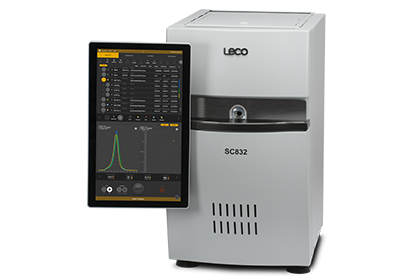
The primary method of determining sulfur content is through combustion techniques. The horizontal resistance furnace of LECO’s SC832 is specifically designed for this task. The resistance furnace design can handle appreciable amounts of moisture in the samples without affecting the results. The gypsum that contains the sulfur used in cement-making processes contains calcium sulfate dihydrates, which can give induction furnaces trouble when it comes to accurate readings.
But just as there are different types of Portland cement, there are also different types of 832-series instruments. Listen to Lloyd Allen, Director of the Technical Services Laboratory here at LECO, discuss the differences between the 832-series instruments and how each one can be used to determine sulfur and carbon in cement in our on-demand webinar.